Reading mode
Visual mode

CLIENT
A large mission-driven agency that oversees complex logistics and supply chain ops, delivering critical materials and support across domestic and international missions.
TEAM
Project Manager
Product Owner
Creative Director
Lead Engineer
Developers (2)
SERVICES
0→1 Product
Workflow Design
Data Visualization
508 Compliance
STACK
Miro
Figma
Chart.js
OpenStreetMap API
Zepline
STATUS
Shipped
Challenge
RT developed a backend supply chain simulator to model and optimize the global movement of supplies across multiple facilities. The system operated through a command-line interface and required manual scripting, limiting broader adoption.
The challenge was to transform this simulation engine into a user-facing product, enabling teams to build scenarios, extract insights, and make informed operational decisions through an accessible interface.
My Role
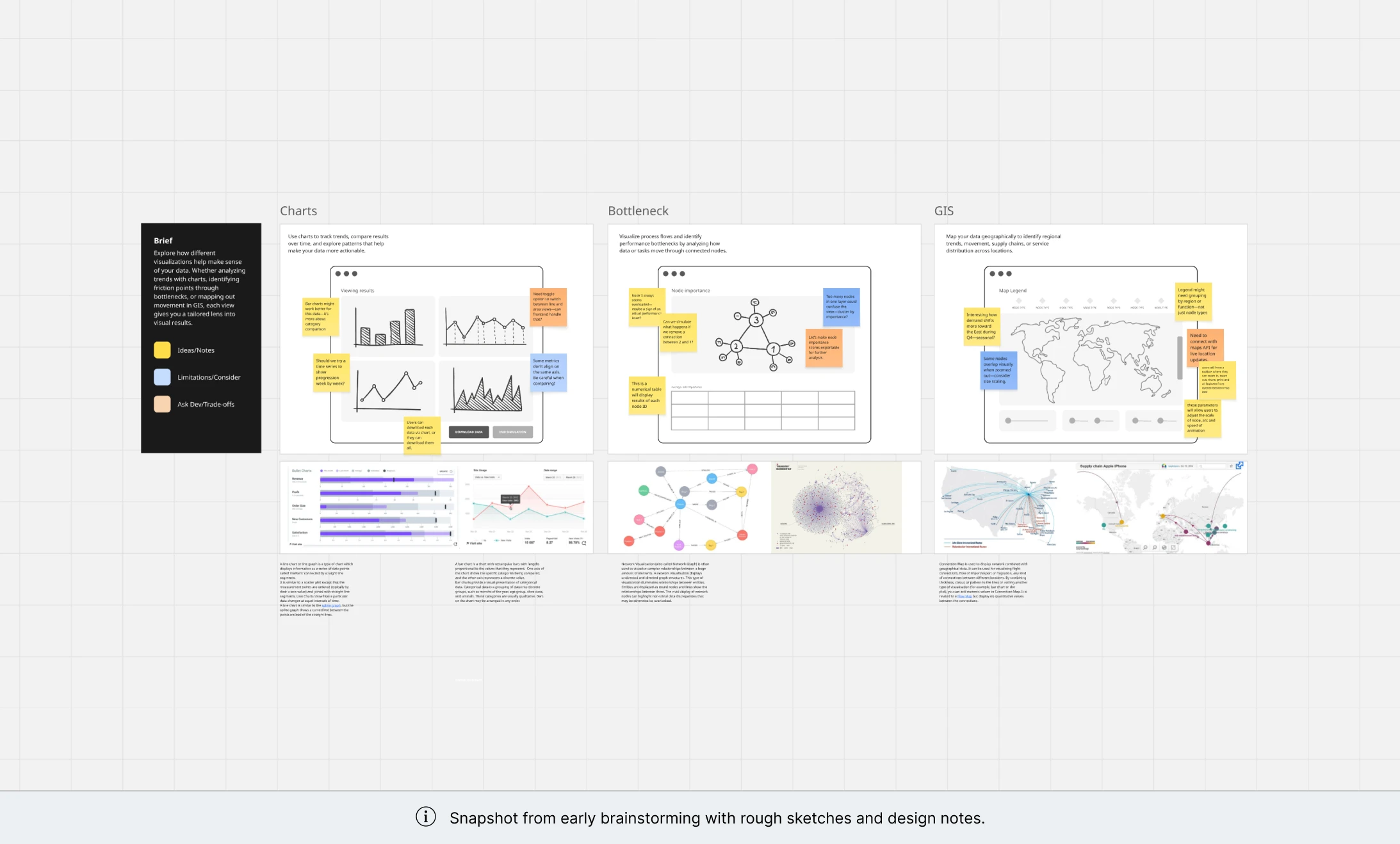
Phase 1: I defined the interface architecture and core simulation workflows, and established the design system to support scalable data visualization and structured result summaries.
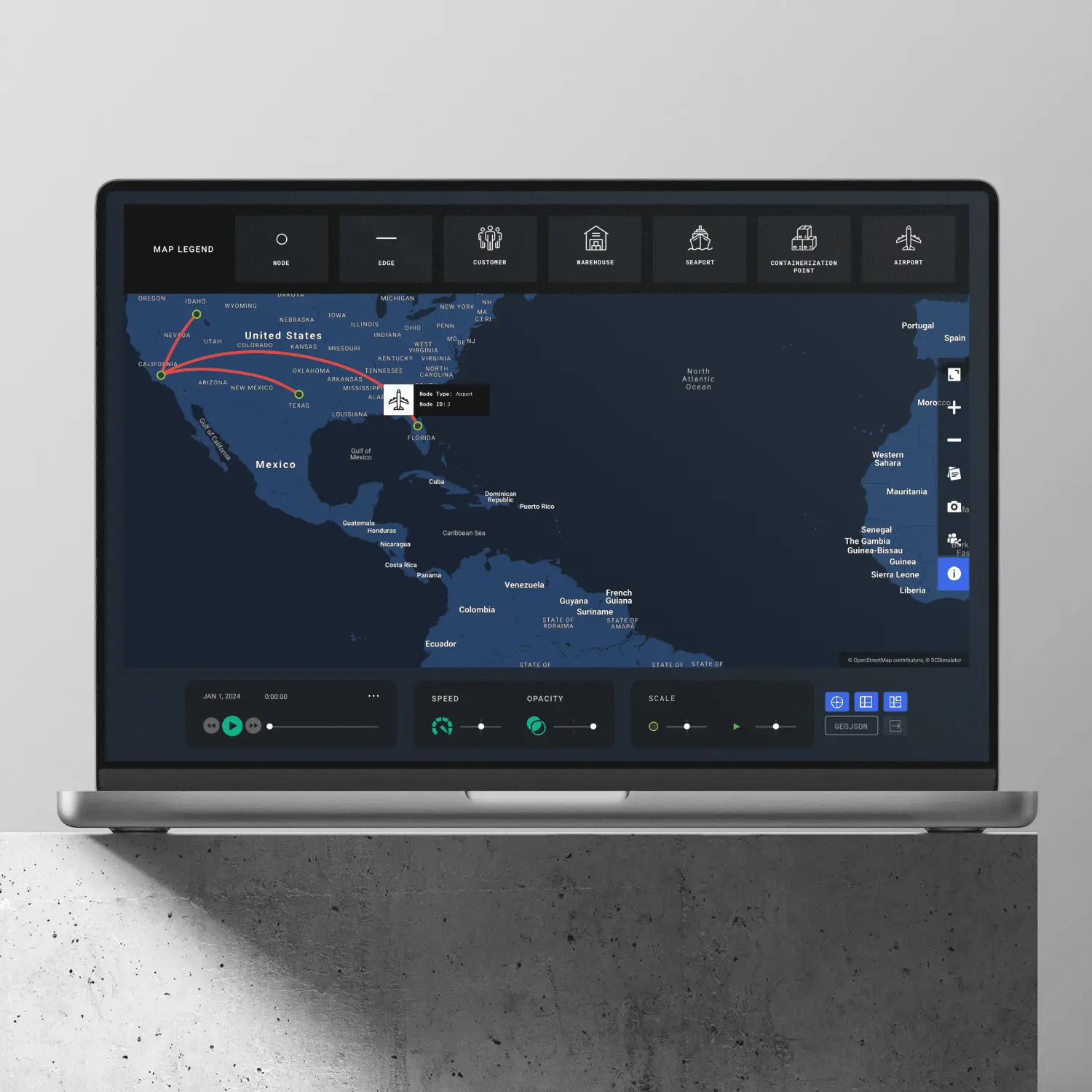
Phase 2: Expanded the product with multi-scenario configuration, interactive data summaries, and GIS-based map visualizations.
Phase I, Product Foundations
I established the visual and interaction foundation of the product, translating a backend-heavy system into a structured, accessible interface.
Key contributions included:
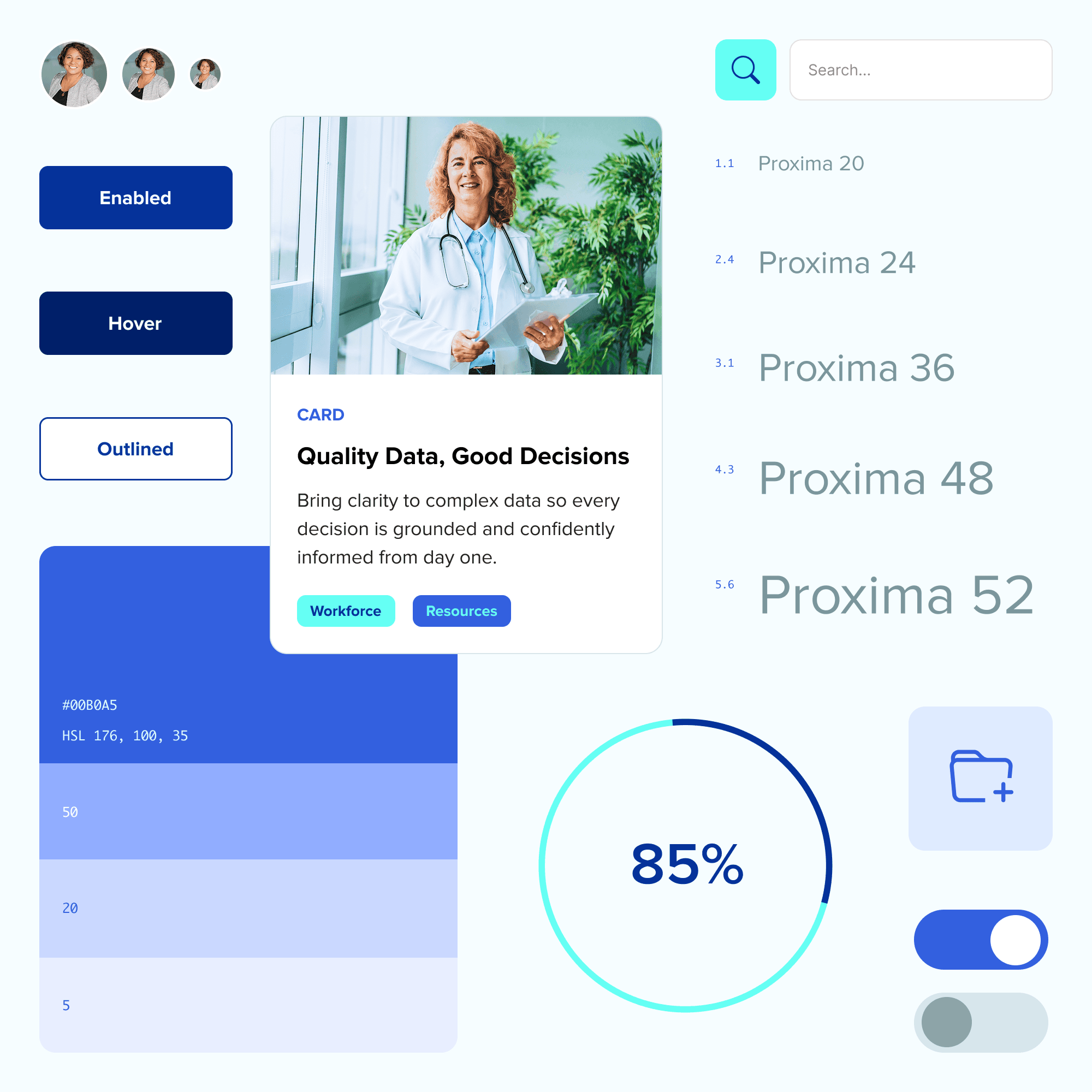
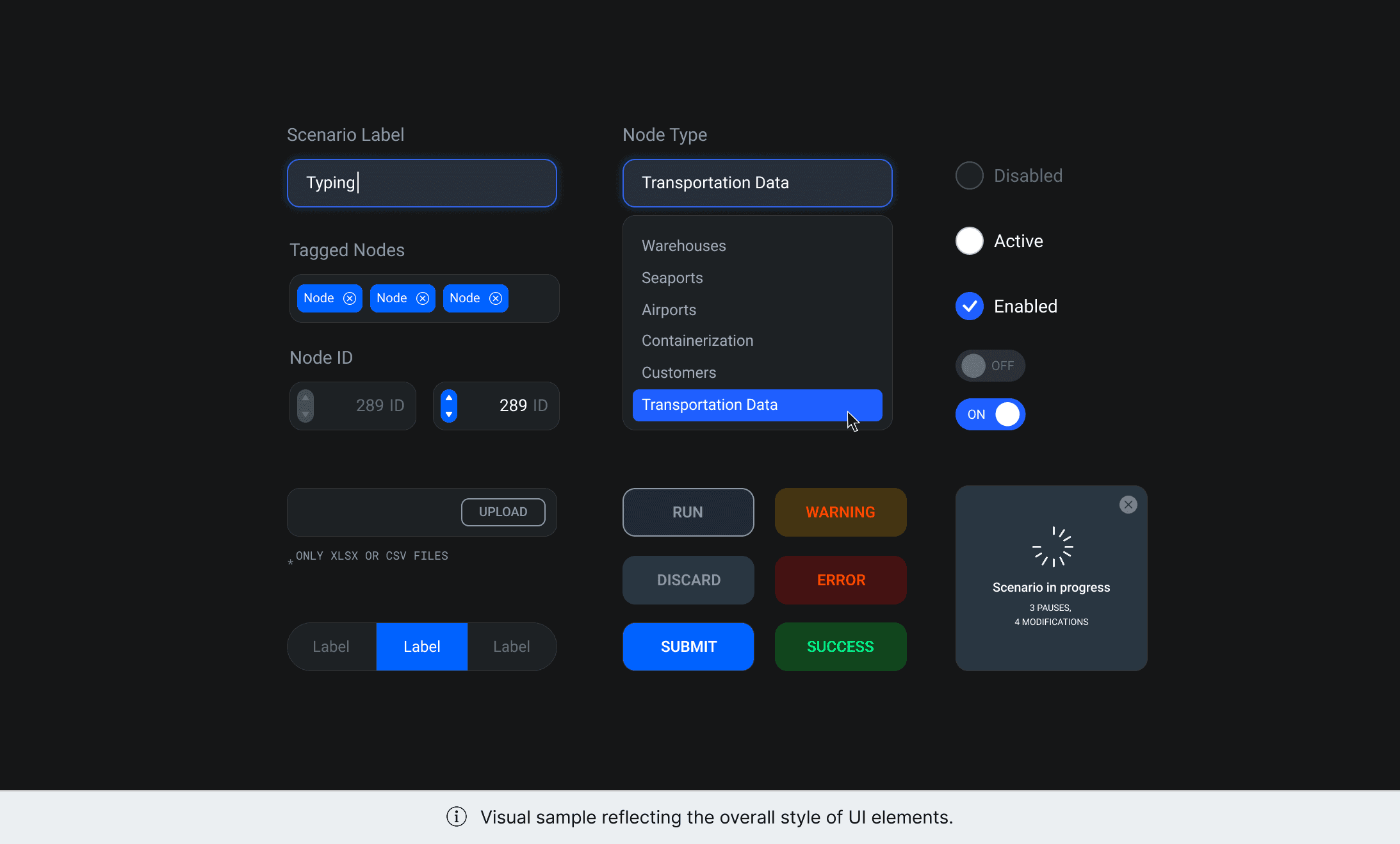
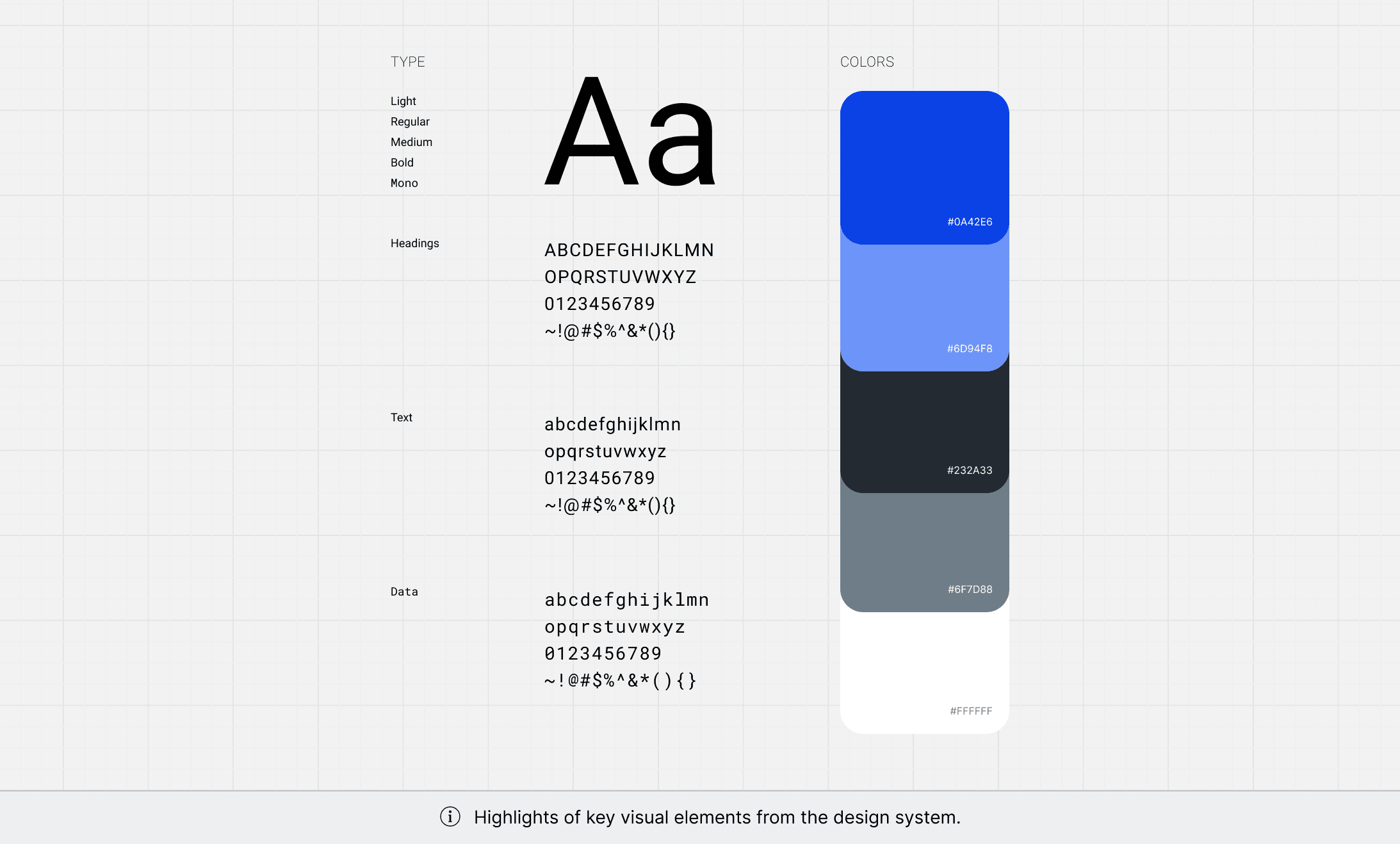
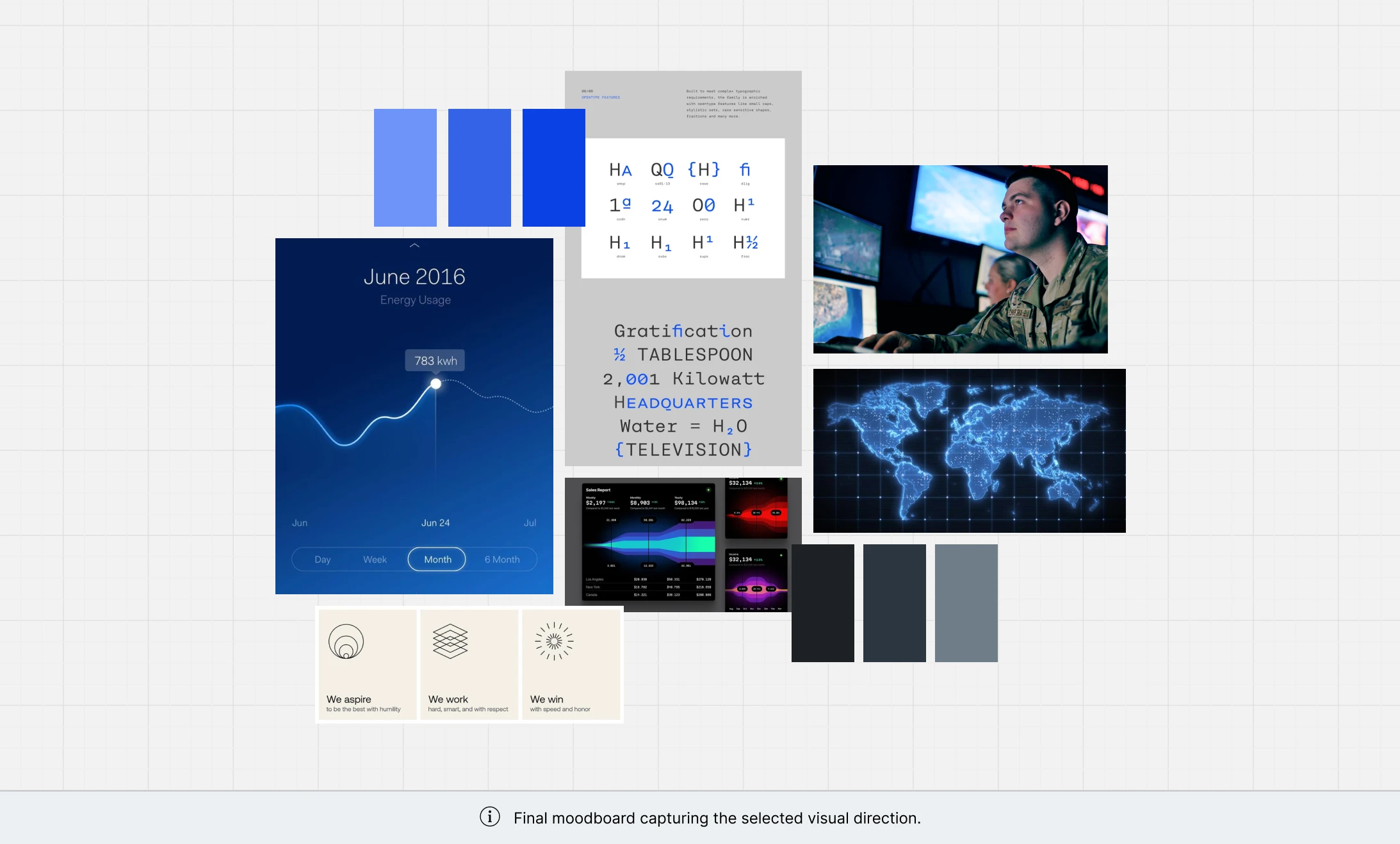
Defining the design language, typography, color system, and dashboard grid to support dense data.
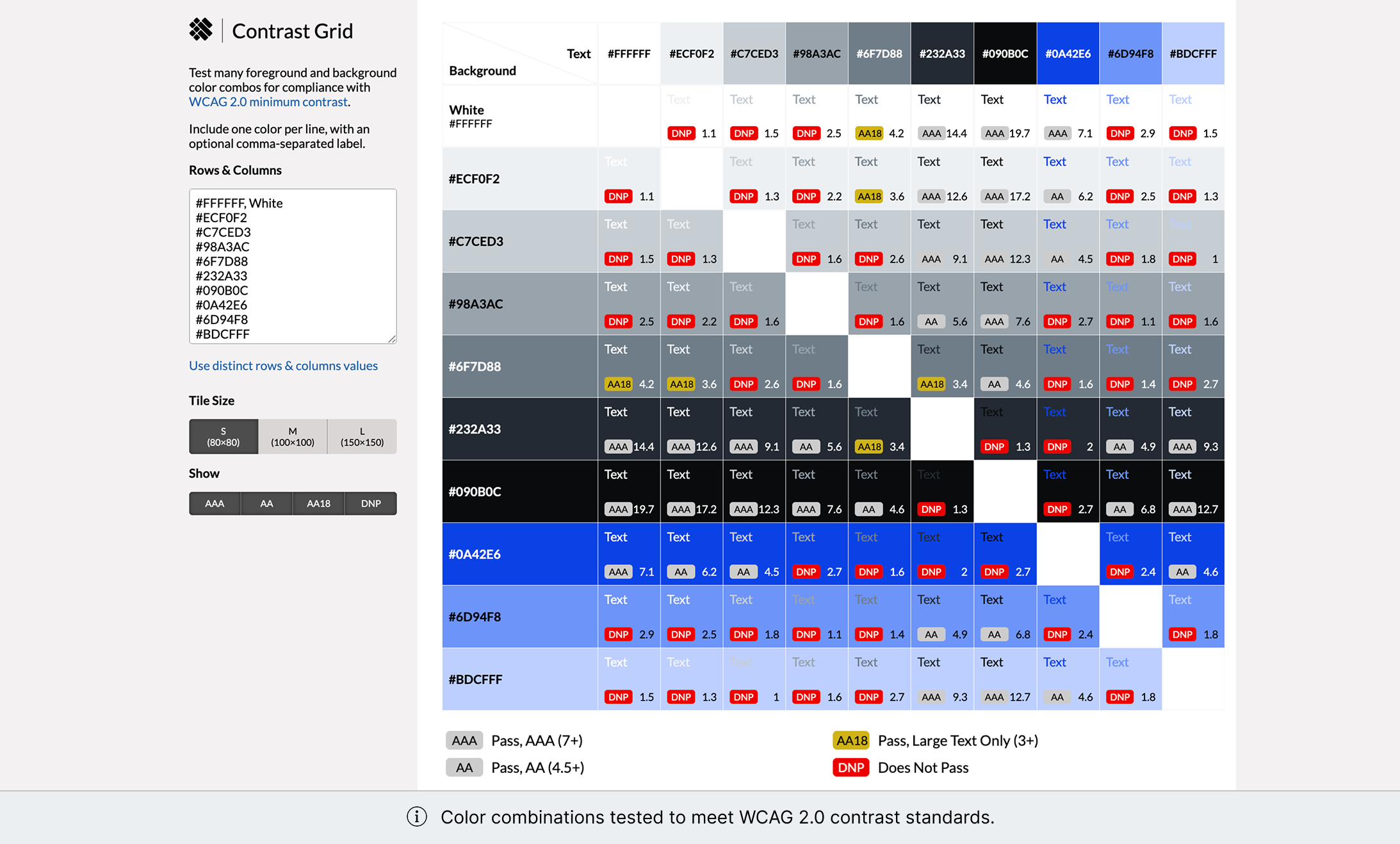
Building a scalable UI system with reusable components aligned with Section 508 accessibility standards.
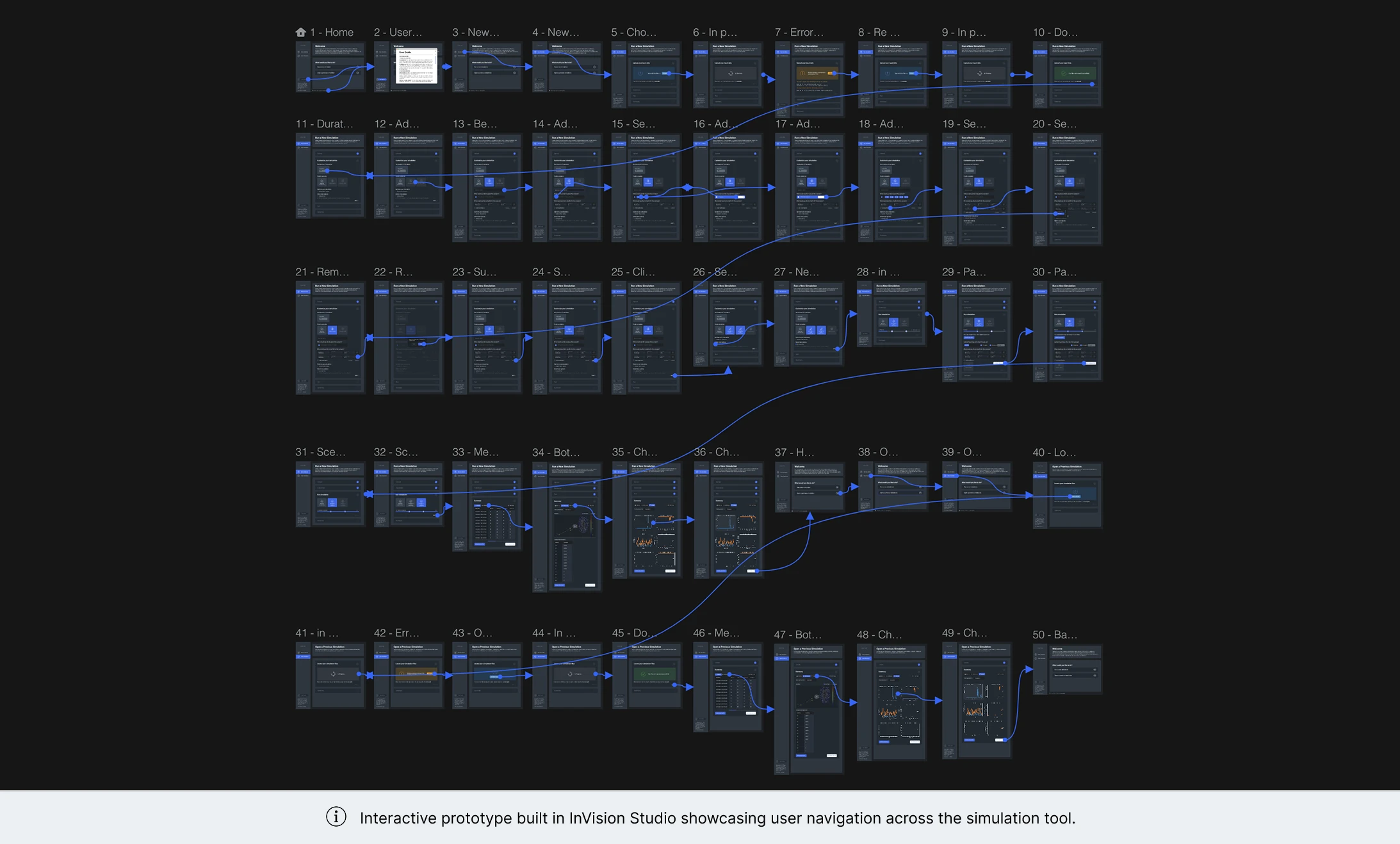
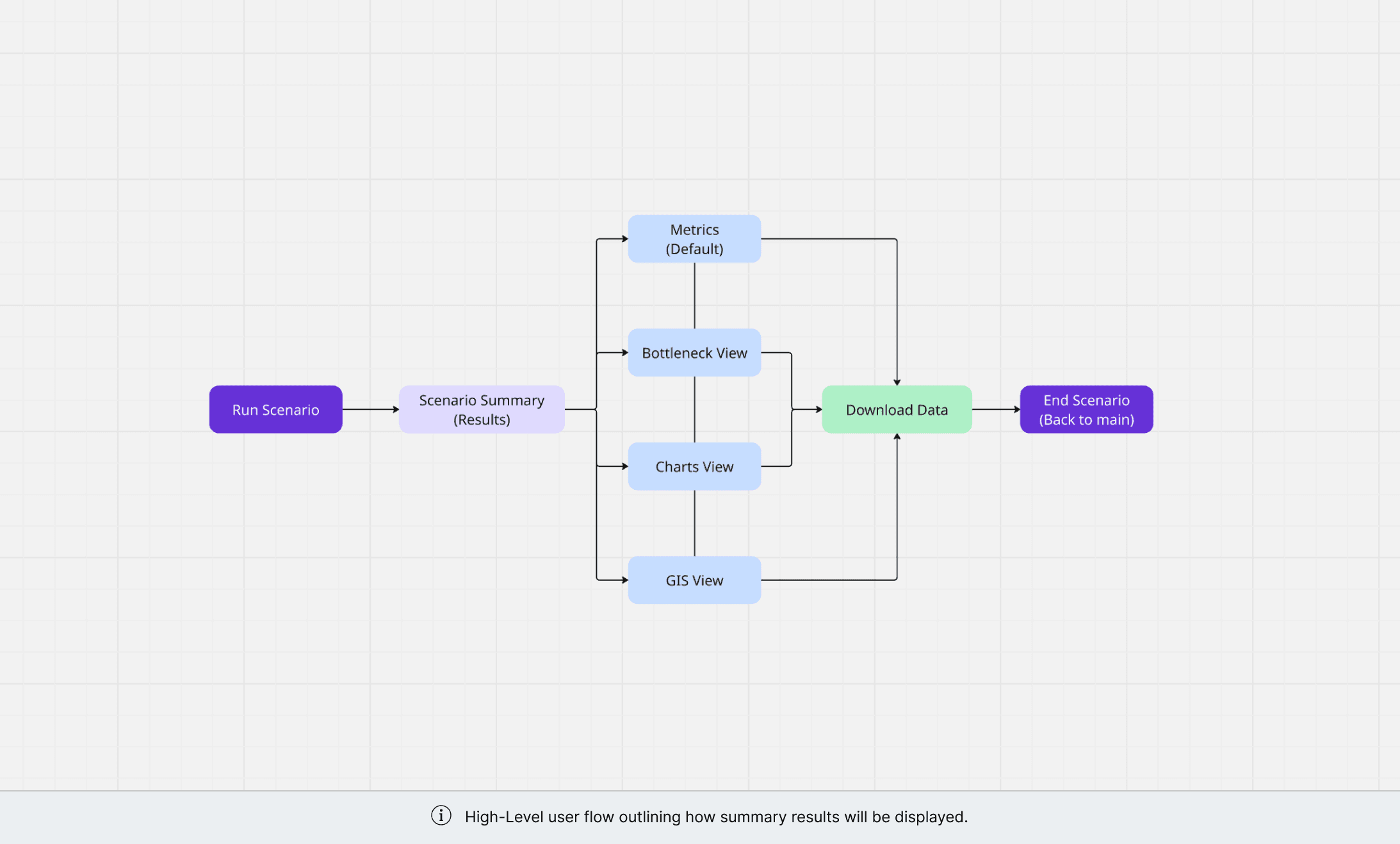
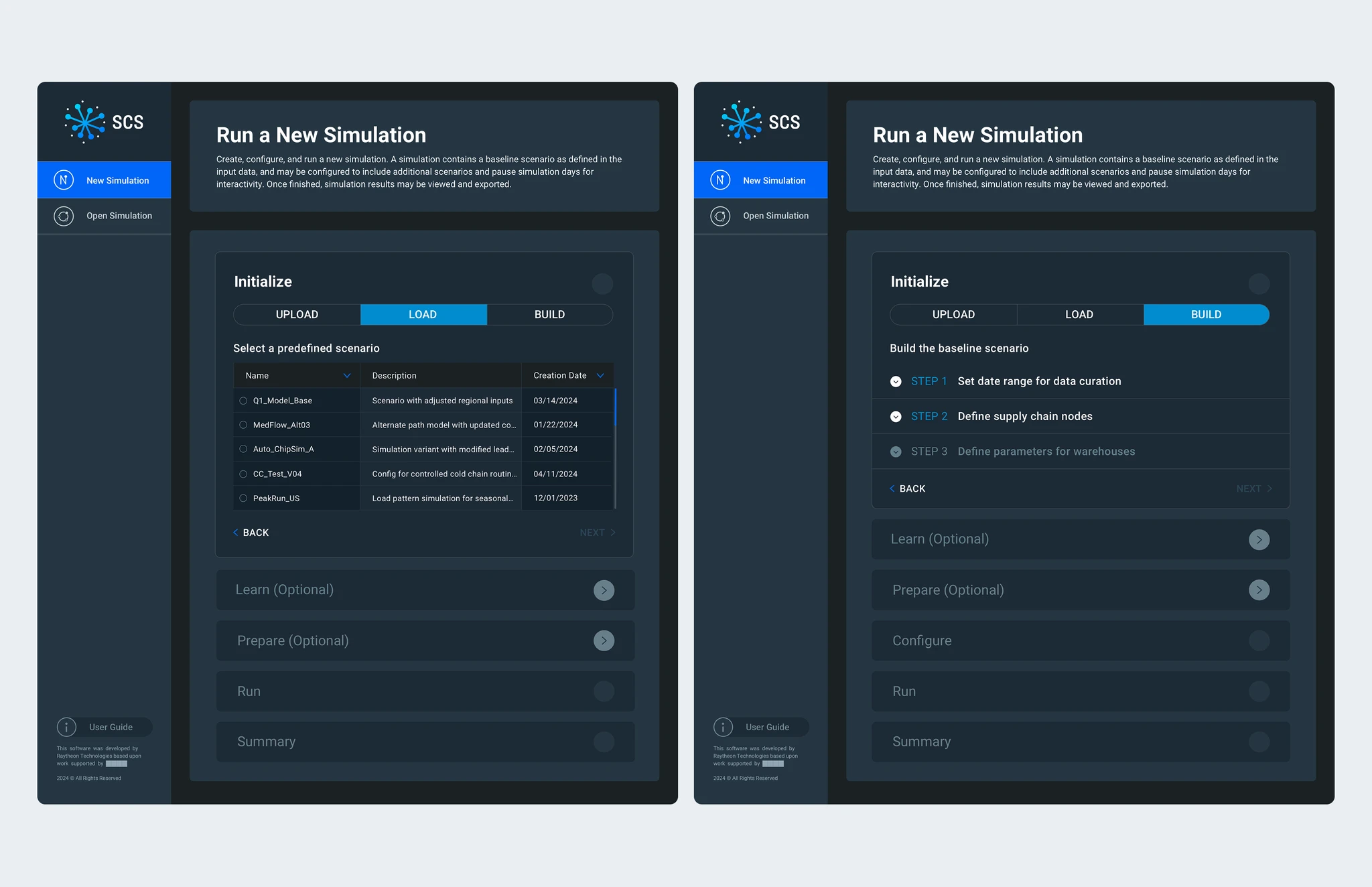
Partnering on critical user flows to ensure the interface reinforced the logic of the simulation journey.
Driving early stakeholder alignment through high-fidelity prototypes and design rationale presentations.
Phase II, Product Expansion
Building on the established foundation, I expanded the product’s capabilities to support more advanced simulation workflows and map analysis.
Key contributions:
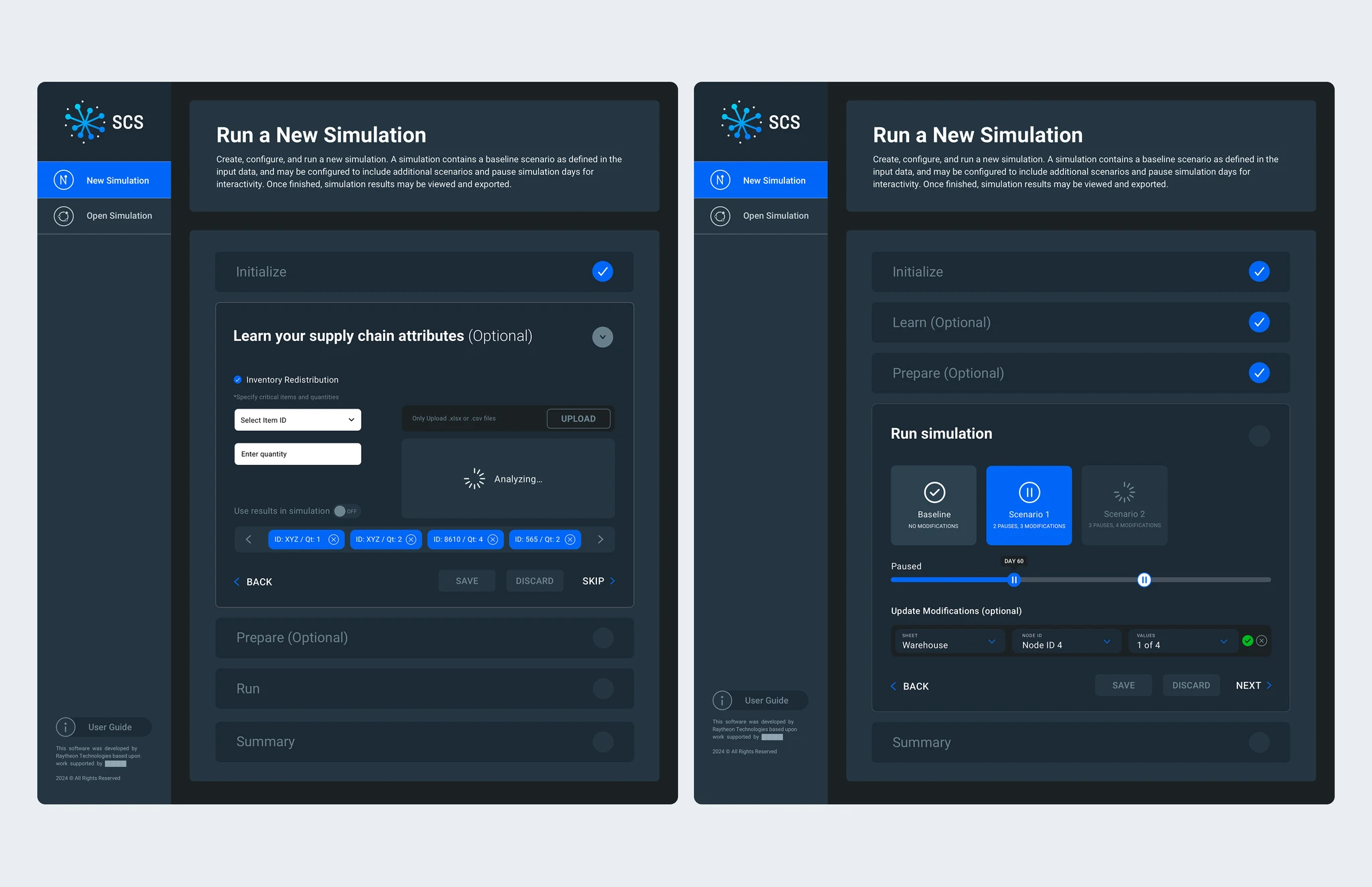
Designed multi-scenario configuration and customization to support complex transportation datasets across air, sea, road, and rail.
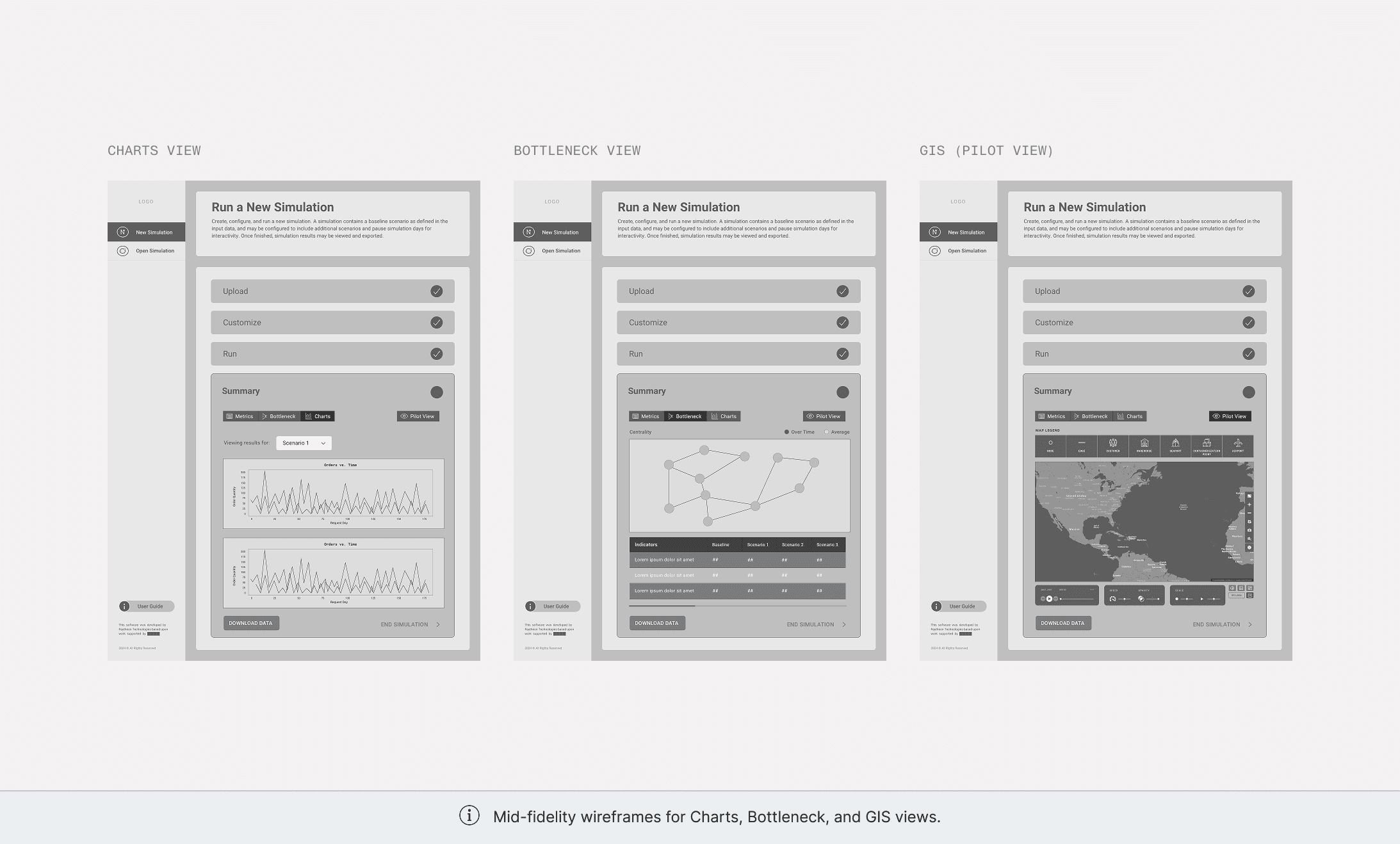
Introduced interactive chart summaries enabling side-by-side comparison of multiple simulation outputs.
Refined the simulation setup experience with clearer data upload flows and improved error feedback.
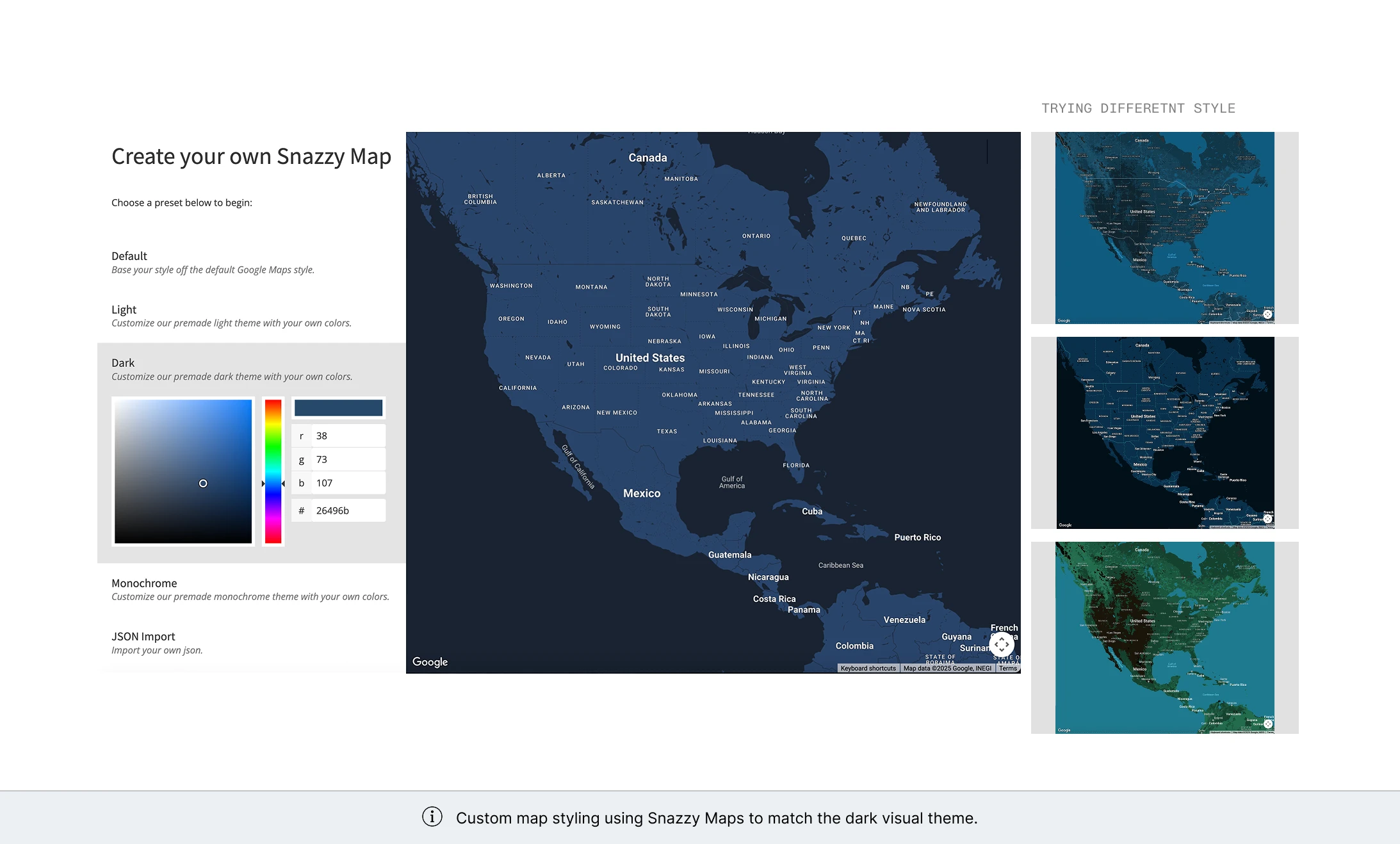
Designed GIS-driven map analysis features, including interactive map views and route-level bottleneck exploration.
Solution
Delivered a scalable simulation interface that transformed a command-line system into a decision-ready product supporting scenario modeling, comparative visualization, and location-based analysis.

Results & Impact
Continued engagement across phases demonstrated client confidence in the system’s direction and usability.
The final system experience made scenario modeling and data insights more effective, supporting operational decision-making.
Retrospective
This project refined how I lead design in technically complex environments by aligning accessibility, interaction architecture, and data visualization into a cohesive system.
It reinforced that translating infrastructure into product requires an iterative process and close collaboration.
Reading mode
Visual mode
CLIENT
A large mission-driven agency that oversees complex logistics and supply chain ops, delivering critical materials and support across domestic and international missions.
TEAM
Project Manager
Product Owner
Creative Director
Lead Engineer
Developers (2)
SERVICES
0→1 Product
Workflow Design
Data Visualization
508 Compliance
STACK
Miro
Figma
Chart.js
OpenStreetMap API
Zepline
STATUS
Shipped
Challenge
RT developed a backend supply chain simulator to model and optimize the global movement of supplies across multiple facilities. The system operated through a command-line interface and required manual scripting, limiting broader adoption.
The challenge was to transform this simulation engine into a user-facing product, enabling teams to build scenarios, extract insights, and make informed operational decisions through an accessible interface.
My Role
Phase 1: I defined the interface architecture and core simulation workflows, and established the design system to support scalable data visualization and structured result summaries.
Phase 2: Expanded the product with multi-scenario configuration, interactive data summaries, and GIS-based map visualizations.
Phase I, Product Foundations
I established the visual and interaction foundation of the product, translating a backend-heavy system into a structured, accessible interface.
Key contributions included:
Defining the design language, typography, color system, and dashboard grid to support dense data.
Building a scalable UI system with reusable components aligned with Section 508 accessibility standards.
Partnering on critical user flows to ensure the interface reinforced the logic of the simulation journey.
Driving early stakeholder alignment through high-fidelity prototypes and design rationale presentations.
Phase II, Product Expansion
Building on the established foundation, I expanded the product’s capabilities to support more advanced simulation workflows and map analysis.
Key contributions:
Designed multi-scenario configuration and customization to support complex transportation datasets across air, sea, road, and rail.
Introduced interactive chart summaries enabling side-by-side comparison of multiple simulation outputs.
Refined the simulation setup experience with clearer data upload flows and improved error feedback.
Designed GIS-driven map analysis features, including interactive map views and route-level bottleneck exploration.
Solution
Delivered a scalable simulation interface that transformed a command-line system into a decision-ready product supporting scenario modeling, comparative visualization, and location-based analysis.
Results & Impact
Continued engagement across phases demonstrated client confidence in the system’s direction and usability.
The final system experience made scenario modeling and data insights more effective, supporting operational decision-making.
Retrospective
This project refined how I lead design in technically complex environments by aligning accessibility, interaction architecture, and data visualization into a cohesive system.
It reinforced that translating infrastructure into product requires an iterative process and close collaboration.
Reading mode
Visual mode
CLIENT
A large mission-driven agency that oversees complex logistics and supply chain ops, delivering critical materials and support across domestic and international missions.
TEAM
Project Manager
Product Owner
Creative Director
Lead Engineer
Developers (2)
SERVICES
0→1 Product
Workflow Design
Data Visualization
508 Compliance
STACK
Miro
Figma
Chart.js
OpenStreetMap API
Zepline
STATUS
Shipped
Challenge
RT developed a backend supply chain simulator to model and optimize the global movement of supplies across multiple facilities. The system operated through a command-line interface and required manual scripting, limiting broader adoption.
The challenge was to transform this simulation engine into a user-facing product, enabling teams to build scenarios, extract insights, and make informed operational decisions through an accessible interface.
My Role
Phase 1: I defined the interface architecture and core simulation workflows, and established the design system to support scalable data visualization and structured result summaries.
Phase 2: Expanded the product with multi-scenario configuration, interactive data summaries, and GIS-based map visualizations.
Phase I, Product Foundations
I established the visual and interaction foundation of the product, translating a backend-heavy system into a structured, accessible interface.
Key contributions included:
Defining the design language, typography, color system, and dashboard grid to support dense data.
Building a scalable UI system with reusable components aligned with Section 508 accessibility standards.
Partnering on critical user flows to ensure the interface reinforced the logic of the simulation journey.
Driving early stakeholder alignment through high-fidelity prototypes and design rationale presentations.
Phase II, Product Expansion
Building on the established foundation, I expanded the product’s capabilities to support more advanced simulation workflows and map analysis.
Key contributions:
Designed multi-scenario configuration and customization to support complex transportation datasets across air, sea, road, and rail.
Introduced interactive chart summaries enabling side-by-side comparison of multiple simulation outputs.
Refined the simulation setup experience with clearer data upload flows and improved error feedback.
Designed GIS-driven map analysis features, including interactive map views and route-level bottleneck exploration.
Solution
Delivered a scalable simulation interface that transformed a command-line system into a decision-ready product supporting scenario modeling, comparative visualization, and location-based analysis.
Results & Impact
Continued engagement across phases demonstrated client confidence in the system’s direction and usability.
The final system experience made scenario modeling and data insights more effective, supporting operational decision-making.
Retrospective
This project refined how I lead design in technically complex environments by aligning accessibility, interaction architecture, and data visualization into a cohesive system.
It reinforced that translating infrastructure into product requires an iterative process and close collaboration.